Author

Erya Jin
Erya joined ST in 2002 and worked as an MCU applications engineer and technical marketer. After ST, Erya joined TI as a marketer manager. In 2021, Erya joined NXP as a MCU Product Manager.
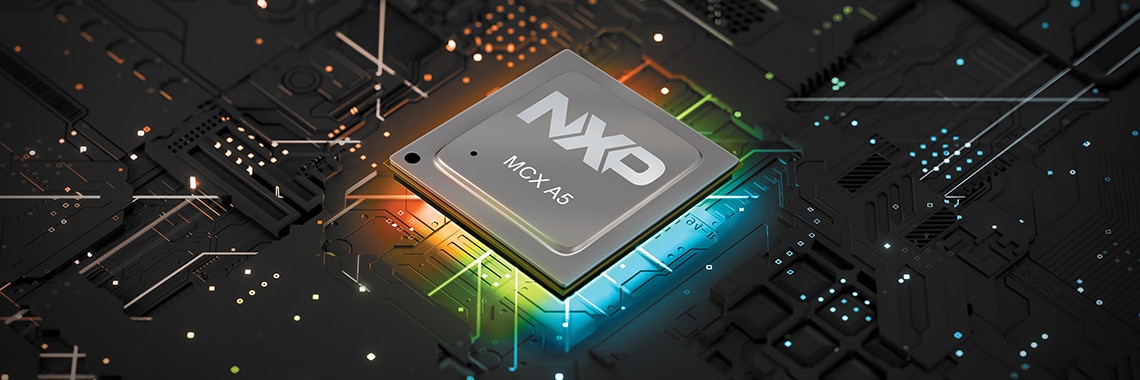
産業オートメーションの発展に伴い、メーカーはより多くのセンサ、アクチュエータ、コントローラを接続することで、分析、予知保全、自動化、およびインダストリアルAIに求められるリアルタイムの運用データを活用するようになっています。しかし、多くの産業用エッジ・デバイスは、依然としてレガシー通信テクノロジに依存しているか、または接続されていないままになっており、システムの複雑さを増大させずにイーサネット・コネクティビティを拡張することを困難にしています。
新しいMCX A5 MCUは、10BASE-T1Sイーサネット・デジタル物理層 (PHY)、ポスト量子暗号 (PQC)、トポロジ検出機能を独自に統合しており、産業用ノードをコネクテッド・エンドポイントへと変革します。
MCX A5ファミリは、10BASE-T1Sイーサネット・デジタルPHYを内蔵した有線MCUとして業界で初めて、PQCで保護されたトポロジ検出機能を実現しています。
10BASE-T1Sイーサネット・デジタルPHYが統合されているため、メーカーはIPベースのコネクティビティを産業用システムの深部にまで拡張し、より多くのセンサ、アクチュエータ、コントローラを接続しながら、システムのコストと複雑さを抑えられます。
これらの機能が相まって、システムの複雑さを増すことなくより多くのエッジ・デバイスをセキュアに接続するという、インダストリアル・ネットワークにおける最大の課題の1つに対応します。開発者は、ネットワーク、セキュリティ、ネットワークの可視性を向上させるために複数のコンポーネントを組み合わせる代わりに、実装を簡素化しつつインダストリアルAIに必要な信頼できる運用データを活用できるように設計された、1つのマイクロコントローラ (MCU) プラットフォームを利用することが可能です。
インダストリアルAIの性能は、アクセス可能なデータ次第です。メーカーは、工場や建物、エネルギー・インフラのモダン化に伴い、より多くのエッジ・デバイスを接続し、システム全体で運用データを利用できるようにする実用的な手段を必要としています。
しかし、多くの産業用機器は、依然としてRS-232やRS-485などのレガシー・インターフェースを介して通信しているか、さもなければ独立したエンド・ポイントとして機能しています。これらのテクノロジは重要な役割を果たし続けている一方で、リアルタイムの動作の可視化を制限し、インテリジェントな自動化の拡張をより困難にする可能性があります。
イーサネットのコネクティビティを強化するには従来、ネットワーク・コンポーネントの追加、ソフトウェアの複雑化、および専門知識が必要でした。MCX A5デバイスは、高度なネットワーク、セキュリティ、および処理能力を1つのMCUプラットフォームで実現することで、これらの課題を克服するように設計されています。
MCX A5ファミリは、10BASE-T1Sイーサネット・デジタルPHYを統合しており、外部コンポーネントを追加する必要性を減らすと同時に、コンパクトで低コストのマルチドロップ・イーサネット・ネットワークを実現します。MCUにデジタルPHYが統合されていることから、開発者は外部10BASE-T1S PMDトランシーバを用意するだけで包括的なシングル・ペア・イーサネット・ソリューションを実装し、それによりコンポーネントを削減し、システム設計を簡素化することができます。
MCX A5ファミリは、NXPのTJF1410 10BASE-T1S物理媒体依存 (PMD) トランシーバと組み合わせることで、IEEE 802.3cg準拠の10BASE-T1Sネットワーク向けに最適化された、包括的なシングル・ペア・イーサネット (SPE) ソリューションを提供します。これらのデバイスが相まって、ファクトリ・オートメーション、ビル・オートメーション、エネルギー・インフラ、およびその他のコネクテッド・エッジ・システムなどの分散型産業用アプリケーションにおいて、部品表 (BOM) コストを削減しながら、システム設計を簡素化できるようにします。
産業用ネットワークを構築する場合、デバイスの接続は複雑なプロセスの一部に過ぎません。ネットワークが拡大するにつれて、デバイスがどのように接続されているかを理解することが極めて重要となります。MCX A5ファミリのトポロジ検出機能により、コネクテッド・デバイスを識別およびマッピングできるため、ネットワークの可視性が向上し、実装を簡素化できます。
開発者は、ネットワークのレイアウトを手動で文書化するのではなく、接続されたエンド・ポイントまでより深く可視化できるようになるため、ネットワークのコミッショニング、保守、経時的な拡張が容易になります。
メーカーは、コネクテッド・デバイスをより深く可視化することで、インダストリアル・ネットワークをより効率的に実装および管理しながら、分散型システムの構成や保守に費やす時間を削減することができます。
産業用製品は現場で長年使用され続けることが多いため、セキュリティ・テクノロジにはサイバーセキュリティの標準や規制の変化に合わせて進化できることが求められます。
これらの機能が相まって、開発者がセキュアなコネクテッド製品を構築しながら、欧州サイバー・レジリエンス法 (CRA) をはじめとした厳格化するサイバーセキュリティ要件に備えられます。
MCX A5ファミリは最大240 MHzで動作するArm® Cortex®-M33コアをベースとし、最大2 MBのフラッシュ、640 kBのRAMに加え、以下を含む充実したコネクティビティ・インターフェースを提供します。
高度なアナログ機能、統合されたセキュリティ、インダストリアル・ネットワークを兼ね備えたMCX A5ファミリは、幅広いコネクテッド・インダストリアル・エッジ・アプリケーションをサポートするように設計されています。
産業用の設計は、変わらずにいることがほとんどありません。要件が厳格化するにつれて、開発者には、ゼロから再設計しなくても適応させることができるプラットフォームが必要となります。MCX A5ファミリは、NXPが拡充しているMCXポートフォリオの一部として、開発者がこれまでの開発体験を維持しながら、アプリケーションをまたいで拡張できるようにすることを目的に設計されています。
共通のソフトウェア・ツール、一貫した開発ワークフロー、および広範なMCXデバイス・ポートフォリオは、性能、コネクティビティ、またはアプリケーションの要件の変化に伴う移行を簡素化するのに役立ちます。コネクテッド・センサの設計であっても、あるいは分散型コントローラやインテリジェントな産業用ゲートウェイの設計であっても、開発者は広範なMCXプラットフォームを活用することで、厳格化する製品の要件に対応しながら、ソフトウェアの再利用の難しさを軽減し、市場投入までの時間を短縮することができます。
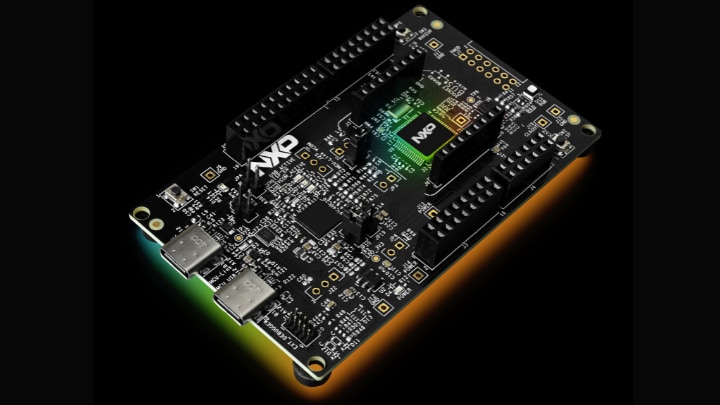
MCX A5ファミリを初めて評価する場合であっても、初期の概念実証 (POC) に取り組む場合であっても、FRDM-MCXA577開発ボードを利用すれば、合理化された道筋ですぐに着手できます。そのコンパクトで低コストな設計と、Arduino®、mikroBUS™、PMOD™などの拡張ボードのサポートにより、インダストリアル・ネットワーク・アプリケーションのプロトタイピングが容易になり、生産に向けて開発を加速することができます。
MCX A5ファミリは、以下を含む、包括的なNXPのMCUXpresso開発者エコシステムによってサポートされています。
オープンソースのソフトウェア環境が好ましい場合は、Zephyrリアルタイム・オペレーティング・システム (RTOS) を利用することもできます。これは業界の最先端を行くリアルタイムOSの1つであり、アプリケーションを柔軟に構築できるようにします。
一部のデバイスでは、Rustプログラミング言語もサポートすることが予定されています。これにより、メモリ安全性を備えた最新のソフトウェアの開発が可能になるとともに、プロジェクトにとって最適な開発環境を選択できる柔軟性がチームにもたらされます。
産業用システムは、よりコネクテッドで、よりインテリジェントで、よりデータ駆動型になりつつあります。MCX A5ファミリは、開発者がその進化に後れを取らないようにするために設計されました。MCX A5ファミリは、統合された10BASE-T1Sイーサネット・デジタルPHY、トポロジ検出機能、PQCを1つのMCUプラットフォームに組み合わせることで、セキュアな産業用コネクティビティを簡素化します。これにより、メーカーがより多くのエッジ・デバイスを接続し、システムの複雑さを軽減し、インダストリアルAI、予知保全、インテリジェント・オートメーションに必要な信頼できる運用データを活用できるようにします。
MCX A5ファミリは現在サンプルを提供中で、2026年の第4四半期に発売開始が予定されています。ファミリの発売時には、MCUXpresso開発エコシステムによるサポートやFRDM-MCXA577開発ボードを含む、追加の技術文書、ソフトウェア・イネーブルメント、および開発リソースが提供される予定です。
着手する準備はできましたか?詳細については、MCX A5のページをご覧ください。
Erya joined ST in 2002 and worked as an MCU applications engineer and technical marketer. After ST, Erya joined TI as a marketer manager. In 2021, Erya joined NXP as a MCU Product Manager.