MikroEの2,000番目のClick board™となるRTC 27 Clickは、NXPのPCF8525リアルタイム・クロック (RTC) を搭載しています。NXPとMikroEは、長年にわたるパートナーシップの重要な節目を迎えました。両社は、このパートナーシップを通じて、開発者がアナログおよびミックスドシグナル・ソリューションの評価をより簡単に行い、イノベーションを加速できるよう支援しています。
MikroEは最近公開したブログ記事で、同社の2,000番目のClick boardとなるRTC 27 Clickを紹介しました。NXPの新しいPCF8525 RTCを搭載したこのボードは、NXPとMikroEの長年にわたる協業における重要な節目を表すものです。先日発表されたPCF8525は、温度センサを内蔵したリアルタイム・クロックICで、計時精度を向上させるとともに、NXPのアナログおよびミックスドシグナル・ソリューションを評価するための使いやすく直感的なエコシステムの構築を可能にします。本ブログでは、この製品開発が重要な理由について解説しています。
温度補償機能を備えた初のリアルタイムクロックICを発表
計時ソリューションにおいて、RTCは標準的なデバイスです。一般的なRTCは、日時を追跡するために、「日:曜日:月:年」と「時:分:秒」というデータ構造を備えています。また、アラーム、タイマ、ウォッチドッグ・タイマなどの機能を搭載し、イベントの生成や追跡を行うことができるものもあります。
RTCには通常、RTC ICとRTCモジュールの2つのタイプがあります。その違いはシンプルですが、重要です。RTC ICは、システムのタイム・ベースとなる32.768 kHzのクロックを生成するために、外付けの水晶発振器またはMEMS(微小電気機械システム)発振器を必要とします。一方、RTCモジュールは、水晶発振器またはMEMS発振器をIC自体とともにパッケージ内に直接実装しており、単一コンポーネントで構成されたソリューションを実現しています。この方式には複数のメリットがありますが、特に大きなものは、工場出荷時の校正による高い精度です。
しかし、RTC ICとRTCモジュールのどちらを選択してもトレードオフが伴います。RTCモジュールは高い精度を実現できますが、その分コストも高くなります。そのため、コスト制約の厳しいアプリケーションでは採用が現実的ではありません。一方で、よりシンプルなRTC ICはコスト面で有利ですが、外付けの発振器が必要になるため、精度への影響を避けることができません。
このため、RTC IC+水晶発振器と、よりシンプルなRTCモジュールのどちらを選ぶべきかは、長年にわたって議論されてきました。では、その中間となる選択肢はないのでしょうか。
PCF8525は、独創的かつ直感的な方法で解決策を提供します。それが温度補償エンジンを内蔵したRTC ICです。
温度補償エンジン、エージング補正レジスタ、オフセット補正レジスタ、オンチップ負荷キャパシタを組み合わせることで、設計者が発振器の性能を最適化できるようにしています。これらの機能を活用することで、RTC ICと水晶発振器を組み合わせた構成で最大5倍の精度向上が可能になります。この精度は室温環境だけで実現されるものではありません。精度やドリフトの評価は室温条件を前提として行われることが一般的ですが、PCF8525は-40°C~+85°Cという広い温度範囲にわたって高い精度を維持できます。
これは、温度変動にさらされるアプリケーションにとって非常に重要です。広い温度範囲でもドリフト特性が一定かつ予測可能になるため、搭載されているレジスタを利用して容易に補正できます。さらに、ソフトウェアによる補正アルゴリズムを組み合わせることで、より高い精度を実現できます。
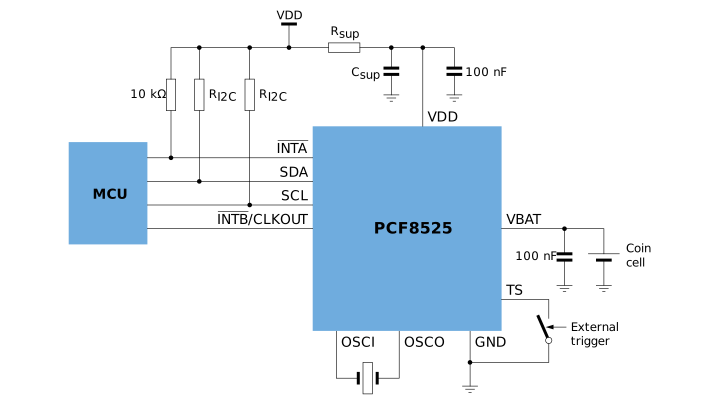 このPCF8525のアプリケーション図には、水晶発振器、電源、およびシステムの接続が示されています。PCF8525のアプリケーション図をダウンロードすると、拡大図がご覧いただけます。
リアルタイム・クロックのドリフトと精度について理解する
32.768 kHzの水晶発振器は、一般的に室温環境において±20 ppmのドリフトで製造されています。しかし、この最適な温度条件から外れると、水晶発振器の特性は大きく変化し、高温環境では±200 ppmを超えるドリフトが発生することがあります。これは、水晶発振子の精度が2次モデルに基づいているためです。つまり、精度のドリフトは温度の2乗に比例して増加するため、周囲温度がわずかに変化しただけでもドリフトが大きな影響を受けます。その結果、極度に高温または低温の環境で使用されるデバイスや急激な温度変化にさらされるデバイスでは、高い精度を維持することが非常に困難になります。
誤差は決して小さくありません。±100 ppmのドリフトでは年間約52分、±10 ppmのドリフトでは年間約5.2分の誤差となります。こうした誤差は長期間にわたって累積するため、特に産業用、工場用、医療用、車載用アプリケーションのような常時稼働が求められるシステムでは大きな問題になります。
こうした課題に対して、PCF8525は他のソリューションにはない強みを発揮します。特に、内蔵の温度補償エンジンは、±4°Cという精度のオンチップ温度センサを利用して、精度のドリフト曲線をリアルタイムで補正します。このエンジンとセンサの組み合わせにより、これまでは実現が難しかった性能と精度を提供します。そのため、PCF8525 (±30 ppm) は、超高精度RTCモジュール(±3 ppmのPCF2131など)と温度補償機能を持たない標準精度のRTC IC(50 ppm超のPCF85063など)の中間に位置付けられます。
超低消費電力 (ULP) 動作のメリット
PCF8525は、高精度に加えて、ULPデバイスでもあります。温度補償エンジンをフル活用した場合でも、標準的な消費電流は100 nAに抑えられます。
バッテリ駆動アプリケーション向けに、直接動作モードと間接動作モードを選択可能なバッテリ切替回路も内蔵しています。これは、電源電圧とバッテリ電圧が異なる場合や、電源切替動作に特別な配慮が必要な場合に役立ち、統合を容易にします。
さらにPCF8525は、ULPと高精度な計時が求められる、高信頼性の常時オンの車載アプリケーション用として、車載規格に準拠したICも提供されています。
このファミリがポートフォリオに加わることで、NXPのタイミング製品ポートフォリオがさらに拡充され、設計者はアプリケーションの要件に応じて、性能、消費電力、ソリューション・コストの最適なバランスを選択できるようになります。