価値とコストを重視した設計のために構築されたMCX Cシリーズは、エントリレベルのマイクロコントローラ (MCU) に求められるシンプルさを維持しながら、今日の組込み設計に必要とされるパフォーマンスを実現します。MCX Cシリーズの「エッセンシャル(基本)」ファミリにふさわしく「MCX C1」と名付けられたこのファミリは、シンプルさ、効率、長期的なスケーラビリティのために最適化されています。
エッセンシャルMCX C1
MCX C1は、エントリレベルとして必要最小限のものを提供するように設計されていますが、エントリレベルに特有の制限はなく、高効率のアナログおよび制御ペリフェラルを搭載し、幅広いインダストリアル&IoTアプリケーションに対応する低コストの汎用MCUです。
MCX C1ファミリを拡張するために、NXPは、Arm® Cortex®-M23ベースのMCX C15およびMCX C16 MCUの発売を発表します。
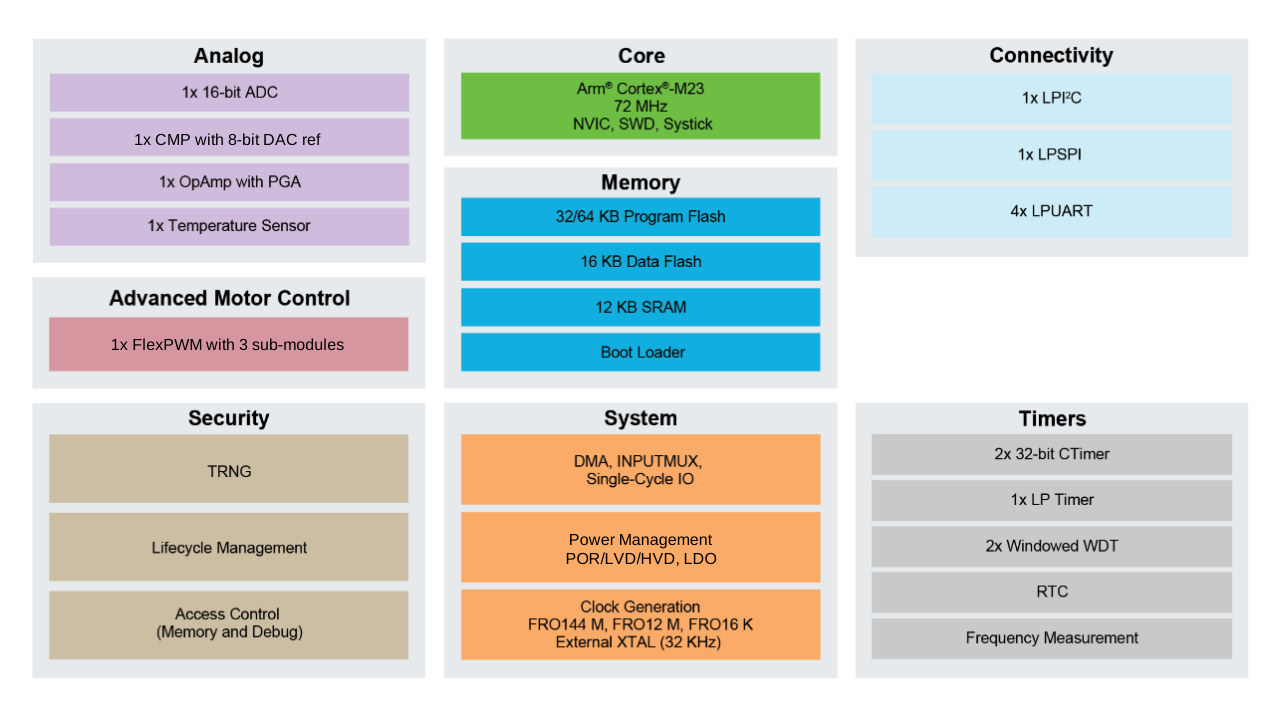 Arm Cortex-M23と高度なペリフェラルを搭載したエントリレベルの低コストMCU、MCX C15およびMCX C16を発表。
新製品のMCX C15およびMCX C16は、エントリレベルのMCUに高度なペリフェラルと高精度のアナログを統合します。これには、18チャネルを備えた高分解能16ビット逐次比較型レジスタ(Successive Approximation Register:SAR)ADコンバータ (ADC)、8ビットDAコンバータ (DAC) を内蔵した高速コンパレータ、およびモータ制御用の柔軟なPWM (FlexPWM) モジュールが含まれます。
MCX C15およびMCX C16は、高精度アナログのほかにも、シリアル・ペリフェラル・インターフェース (SPI)、I²C (Inter-Integrated Circuit)、一般的な通信用のUART (Universal Asynchronous Receiver/Transmitter)、最大45の汎用入出力 (GPIO)、および-40°C~125°Cの産業用拡張温度範囲を備えています。また、部品表 (BOM) コストを削減するために、MCX C15およびMCX C16 MCUには、内部周波数基準発振器 (FRO)、内部オペアンプ、およびコンデンサ不要のパワー・マネジメントが搭載されています。
現時点では、最大64 KBのフラッシュを備えたバリエーションが提供されています。これは将来的に、512 KBのフラッシュまで拡張される予定です。
高精度アナログ
高精度アナログおよび制御機能を統合したMCX C15およびMCX C16は、低コストのエントリレベルMCUの領域において高度なアナログ機能を利用可能にします。開発者は、これらの組込みペリフェラルにより、1つの低コスト・デバイス内で検出、測定、対応のすべてを高精度で行うことが可能になります。
16ビットSAR ADCは、高分解能および16ビット・モードで2.4 MSPS、12ビット・モードで3 MSPSという高サンプリング・レートを備えており、このMCUをセンサ測定、エネルギー監視、産業用制御などのアプリケーションに最適なものにしています。DACを内蔵したオンチップ・コンパレータは、外部リファレンスなしでの正確なしきい値の生成や監視を可能にします。一方でFlexPWMモジュールは、電力、モーター、アクチュエータなどのユース・ケースのためのきめ細やかな出力制御をサポートします。これらの高精度アナログ機能が相まって、このMCUを正確なセンシング、リアルタイム制御、効率的なアナログとデジタルの相互作用を実現する、堅牢でコスト効率にも優れたプラットフォームとして位置付けています。
MCX C15およびMCX C16は、エントリレベルのMCUに高性能なアナログ機能を組み込み、シンプルなモータ制御、スマート照明、ハンドヘルド・デバイス、電力/エネルギー・システムなど、コスト重視のインダストリアル&IoTアプリケーションに対応するように設計されています。
 MCX C15およびC16は、ファンやポンプのモータ制御などの幅広いインダストリアル&IoTアプリケーションに対応する、高度な高精度アナログ・ペリフェラルを備えています。
スケーラビリティ
MCX C1ファミリは、NXPのエントリレベル・エッセンシャル・ファミリとして、ローエンドで低コストのMCUという選択肢を提供します。今日の組込みアプリケーションでは、複雑化するユース・ケースのためにより高度な性能と統合が求められており、8ビットおよび16ビットのデバイスは、そのようなアプリケーションの要求をもはや満たすことができなくなっています。しかし、これらのArm Cortex-M23ベースのMCUは、従来の8ビットおよび16ビット・プロセッサならびにArm Cortex-M0+ MCUからのアップグレードとして、コストを増やすことなく、より多くの機能と能力を実現します。
マイクロコントローラのアップグレードを検討中でしょうか?8ビットから32ビットに移行すべき5つの理由をご確認ください。
NXPのMCUポートフォリオ内において、広く使用されているLPC800、LPC1100、およびKinetis MCUからの移行パスは、より新しいMCX Aシリーズ内でのピン互換オプションとともに、シームレスな移行とスケーラビリティをもたらします。
MCX Cシリーズは、初めて導入するMCXポートフォリオとしてのアクセスしやすさを考慮して設計されており、制御やアナログの比重が高いローエンドまたはコスト重視のアプリケーション向けに、使いやすいプラットフォームを提供します。システム要件が高まった場合には、MCX Cは、より優れた性能、拡張されたメモリ、および豊富な機能セットを兼ね備えたMCX Aデバイスへと、使い慣れたアーキテクチャを保持したまま無理なく移行できます。この整合性により、開発者は、ソフトウェアの再設計やコア・システム設計の再検討を行うことなく、MCX Cまたはそれ以降のシリーズに基づいたプロトタイプやコスト最適化された設計を早期に構築し、拡張することができます。
NXPのすべてのMCX MCUで、共通のソフトウェア・エコシステムであるMCUXpresso開発者エクスペリエンスを利用できます。MCX Cから始めた開発者は、コードやツールを再利用しながら、MCX Aの高度な機能にアクセスすることが可能です。このスケーラブルなアプローチは、リスクを低減し、開発サイクルを短縮するとともに、単純な制御ノードから、より複雑でインテリジェントなコネクテッド・システムへと進化する製品戦略をサポートします。