無線周波数識別 (RAIN RFID) は、商品を識別して追跡するシステム向けの事実上のソリューションとして、長年にわたり採用されてきました。しかし、世界中でデジタル化が進むにつれ、商品を単に識別するだけでは不十分なことが多くなっています。現在のスマート・アプリケーションには、自動化、トレーサビリティ、よりスマートなワークフローを促進するために、より豊富で影響力のある品目レベルのデータが要求されます。
シリアル番号以上の情報を必要とするアプリケーションのソリューションとしては、メモリを拡張したRAIN RFIDタグが理想的です。各製品に搭載されているオンチップ・メモリと、過酷な無線周波数(Radio Frequency:RF)環境に耐えられる読み取り性能を、追加のメモリを備えたタグと組み合わせることで、新たなレベルの自動化、プロビナンス、消費者エンゲージメントが実現しています。
NXPはUCODEメモリ・ファミリを通じて、ソリューション設計者が製造現場からデジタル製品パスポートに至るまで、アプリケーションのニーズに合わせてメモリ容量を柔軟に調整できる方法を提供しています。
こちらで、UCODE Nxmがどのようにして製品により多くのデータを格納し、よりスマートなトレーサビリティ、自動化、消費者エンゲージメントを実現することに役立っているのかをご確認ください。
データを運用上の優位性に変える
拡張メモリRAIN RFIDタグの使用は、実証済みかつ現場配備済みのテクノロジとしてすでに確立されているため、設計者にとって信頼できるソリューションです。
1時間あたりに取り込むことのできるタグ付き商品の数は、手動の光学式スキャンが数百であるのに対し、RAIN RFIDリーダーは1台で数十万にも及びます。より高い性能を提供するRFIDは、高速の在庫管理、リアルタイムの資産追跡、ハンズフリーの自動化に向けた新たな道を切り開いています。拡張メモリ・テクノロジはチップ上に直接データを保持するため、商品の移動に応じてシステムを更新でき、ネットワークがダウンした場合でも読み取り可能な状態を維持できます。
比類のない性能と機能を備え、追加のメモリを搭載したNXPのUCODE製品は、以下のような実際のアプリケーションに採用されています。
- 産業用製造とインダストリー4.0:製造ラインを進む部品の組み立て状況や加工状況を、エンジニアがタグから直接判断できる
- ヘルスケアと製薬:医師が診療現場で各ユニットから有効期限、ロット、取り扱いデータを引き出せる
- 資産およびコンテナ管理:オペレータがすべてのコンテナの所有権、場所、滞留時間、損失を追跡する
- サプライ・チェーンの可視性:各ハブを通過する商品の発送と受け取りをチームが確認する
すべての製品にストーリーがある
その商品が何なのかは識別でも把握できるかもしれませんが、各タグにメモリ容量が追加されているRAIN RFIDなら、各商品に独自の記録を保持させて、それをライフサイクルのどの段階でも共有することができます。そのため、このテクノロジは以下のような、より豊富な製品情報に対応できます。
- 商品が各ステージを通過するときの、製品ステータスの更新情報
- 生鮮品や規制対象品のロットおよび有効期限データ
- 製造元から現在の所有者までに記録された履歴とプロビナンス
- 部品が純正品であることを確認する認証
- 監査用のコンプライアンスおよびトレーサビリティ・データ
豊富で追跡可能な製品履歴により、メーカーとサプライ・チェーン・パートナーは製品のライフサイクルの透明性を高められます。チームは部品を製造元まで追跡し、真正性を確認して、ミスが少なく推測に頼ることのない方法でリコールを管理できるようになります。
膨大なデータが活用される未来
RFIDタグ上の拡張メモリによって可能になる品目レベルのデータ・ストレージを必要とするアプリケーションは、すでに数多く存在しています。たとえば、EUの規制当局は、多くの製品カテゴリにデジタル製品パスポート(Digital Product Passport:DPP)を要求する方向へと動いています。このようなパスポートでは、ライフサイクルおよびサステナビリティ・データを製品に保持させて、購入者、リサイクル業者、規制当局が製品から直接アクセスできるようにすることが義務付けられるようになるでしょう。
同様に、各ブランドは消費者エンゲージメントを高めるために、日常製品をインタラクティブなタッチポイントに変える取り組みを拡大しています。今後の買い物客は、スマートフォン上の製品をタップするだけで、その製品のストーリーを見たり、真正性やサステナビリティを確認したり、ウェブ・リンクをたどって詳細を調べたりできることを求めるようになるでしょう。
これらすべてのユース・ケースで、シリアル番号以上の機能がタグに必要になります。このような貴重なデータは、製品上のどこかに保持する必要があり、それに最適な場所がオンタグ・メモリなのです。一方で設計者には、コンパクトな識別子やデータリッチな記録など、ユース・ケースごとに異なるメモリ・バンク容量が必要です。
そのような柔軟性に優れたメモリへの需要の高まりこそ、NXPがUCODE Nxmを開発した理由であり、現在または将来のあらゆるアプリケーションをサポートできるシングル・チップを設計者に届けることを目的としています。
UCODE Nxmの紹介:データリッチなRAIN RFID向けのワン・チップ
それでは、既存および新たに登場するデータリッチ・アプリケーションに対応できるよう設計されたNXPの最新のUCODEメモリ・ファミリ製品、UCODE Nxmを紹介します。
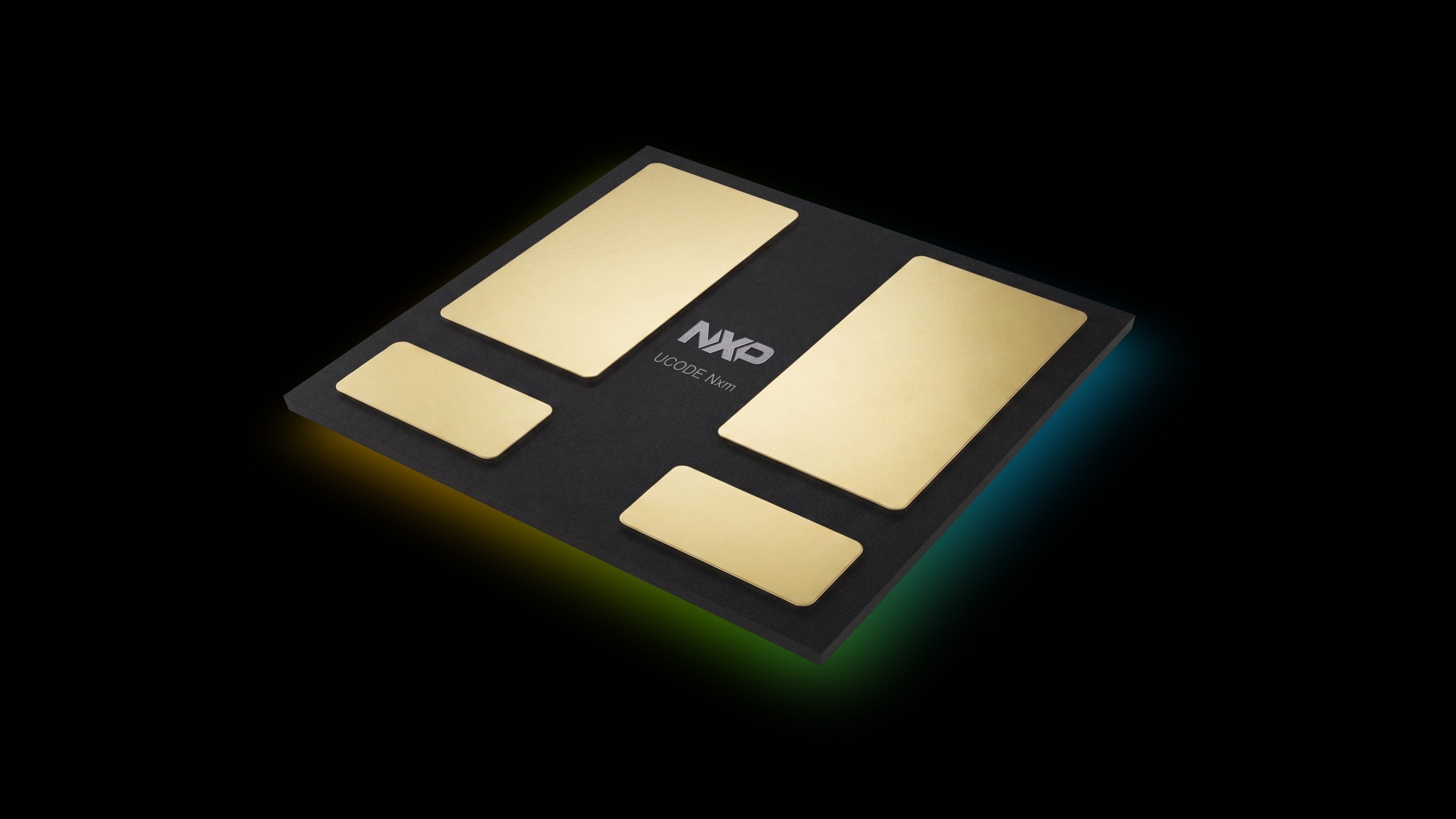 UCODE Nxm RAIN RFID IC。
データリッチなアプリケーション向けの柔軟で大容量のRAIN RFIDチップであるUCODE Nxmは、設計者が電子製品コード(Electronic Product Code:EPC)とユーザー・バンクに分割できる880ビットのメモリを搭載しています。エンコード時に選択する3つの構成により、最大496ビットのEPCまたは最大752ビットのユーザー・メモリが与えられます。これにより、管理すべきSKUを増やすことなく、1つの部品番号で多くのジョブに対応できます。
NXPは、データの信頼性を維持するためにUCODE Nxmも提供しています。具体的には、誤り訂正符号 (ECC) を使用して、まれに発生する潜在的に重大なビット・エラーを検出および修正するメモリ保護を含めています。また、標準ベースの追跡不可能なプライバシーにより、必要に応じてタグの機密性の高いフィールドを隠すこともできます。さらに、-24 dBmの読み取り感度をNXPのセルフアジャスト機能と組み合わせることで、UCODE Nxmは最も厳しいRF環境でも信頼性の高い読み取り性能を確保できます。
NXPの拡張メモリ・ワン・チップRAIN RFIDソリューションは、現在の製造現場にも将来の製品パスポートにも対応できる強力なサポートを提供します。UCODE Nxmの性能を確認し、膨大なデータが活用される未来に向けた設計を開始しましょう。