Bluetooth®は、最も広く普及しているワイヤレス・テクノロジの1つで、ヘッドフォンからスマートホーム・デバイスに至るまで、あらゆるものを接続します。しかし、広く普及しているにもかかわらず、その役割と機能はほとんど変わっていません。しかし現在、Bluetoothチャネル・サウンディング (BCS) の導入により、それが大きく変わりつつあります。
Bluetooth 6.0でBCSが導入され、単純な通信リンクから真の空間認識テクノロジへと進化しました。デバイスが距離を正確かつ安全に測定できるようになり、存在検知だけでなく、近接や空間内の移動にも対応する新しいクラスのアプリケーションを実現できます。
Bluetoothチャネル・サウンド・テクノロジとそれを可能にするNXPソリューションの詳細を確認しましょう。SpotifyまたはYouTubeでTechcastのエピソードをお聞きください。
信号強度から空間認識まで
従来のBluetooth距離推定は、受信信号強度表示 (RSSI) に依存してきました。RSSIは、レシーバでの信号強度を基に距離を推定します。実装は簡単ですが、RSSIベースの測定は信頼性が低いことで有名です。信号強度は、多重経路反射、干渉、環境内の人の移動、壁や家具などの物理的な障害物によって変動します。さらに、RSSIベースの測距は、スプーフィング攻撃やリレー攻撃に対して脆弱です。
BCSは、位相ベースの測距 (PBR) と往復時間 (RTT) の測定を組み合わせた、根本的に異なるアプローチを採用しています。チャネル・サウンディング (CS) は、信号強度から距離を推定するのではなく、複数の周波数にわたる電波の挙動と、デバイス間での信号の伝達時間を測定します。その結果、センチメートル単位の精度と、距離詐欺に対するセキュリティを強化する組込みメカニズムを実現しています。
BCSは、2つのBluetooth Low Energy (LE) デバイス間で動作します。一方がイニシエータとして機能し、もう一方がリフレクタとして機能します。測距のやり取りを行う間に、両方のデバイスが厳密に制御された無線測定を実行することで、高精度での距離計算が可能になります。
Bluetoothはすでに世界中の何十億ものデバイスに組み込まれているため、まったく新しい無線通信スタンダードを導入することなく、この新しい機能を展開できます。BCSは、Bluetooth LEの既存の基盤に基づいており、高度な空間認識を幅広い製品で利用できるようにします。
CSで可能になる新しいアプリケーション
Bluetoothの空間認識能力が高まるにつれて、まったく新しいユース・ケースが登場しています。
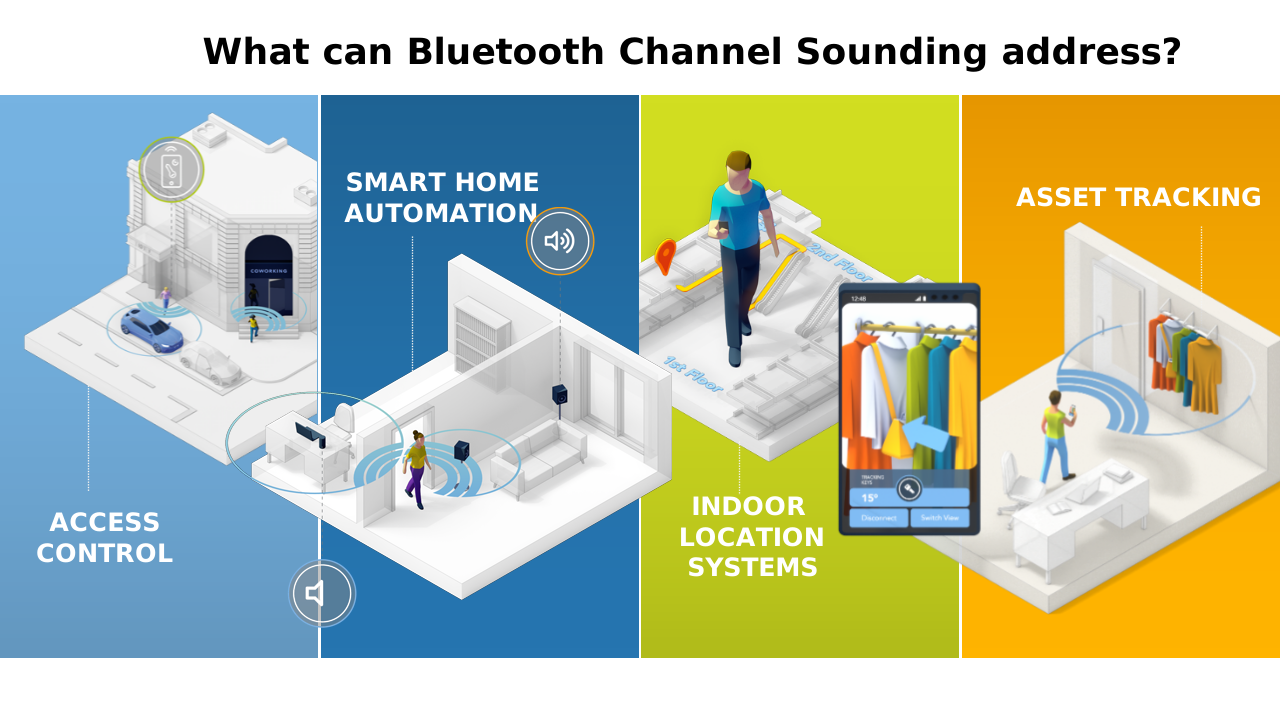 Bluetoothチャネル・サウンディングは、オートモーティブからインダストリアル、IoTまで、さまざまなアプリケーションに対応します。
スマートホームでは、BCSにより、デバイスが空間内の人の移動に合わせてインテリジェントに対応できるようになります。たとえば、人が近づくのに合わせてサーモスタットが温度を調整することができます。また、ライティング・システムは、単純なモーション検知ではなく、実際の近接に基づいて対応することができます。
車載アプリケーションでは、ハンズフリーの安全なデジタル・カー・アクセスを可能にします。認証済みのデバイスが実際に近くにある場合にのみ車両のロックを解除できるようになるため、従来のキーレス・エントリ・システムよりも利便性とセキュリティの両方が向上します。
産業およびロジスティクス環境では、正確な距離測定によって、資産の追跡、機器の位置決め、より安全な自動化ワークフローがサポートされます。倉庫や工場では、工具、車両、在庫の配置をリアルタイムで正確に把握できます。また、BCSは屋内ナビゲーションを強化し、病院、空港、ショッピング・センターなどのGPSが役に立たない広い場所でのより正確な経路案内を可能にします。
CSを活用できるようにするNXPプラットフォーム
これらの機能を実用化するために、NXP Semiconductorsは、次世代の測距アプリケーション専用に設計されたワイヤレス・マイクロコントローラ (MCU) プラットフォームでBCSを実現します。
MCX W72は、Bluetooth LE 6、BCS、および802.15.4(Thread、Zigbee)をサポートする、インダストリアル&IoTデバイス向けに設計されたマルチプロトコル・ワイヤレスMCUです。車載アプリケーション向けには、NXPのKW47がBCSを車両環境にもたらし、高度なデジタル・キーとセキュア・アクセス・システムをサポートします。
どちらのプラットフォームにも、距離計算を高速化する専用のハードウェア・ブロックであるLocalization Compute Engine (LCE) が統合されています。これにより、メインCPUからの処理がオフロードされ、応答時間が短縮され、エネルギー効率が向上します。このことは、リアルタイム測距アプリケーションにとって重要です。
CSを今すぐ導入する
開発者がBCSの能力を活用できるように、NXPはFRDM-MCXW72ワイヤレスMCUボード用の実践的なBCSおよびステップバイステップのデモとチュートリアルを提供しています。これらのサンプルは、NXPのソフトウェア開発キット (SDK) およびアプリケーション・コード・ハブ (ACH) を通じて入手でき、すぐに空間認識対応のBluetoothアプリケーションを簡単に評価、プロトタイプ作成、構築できます。