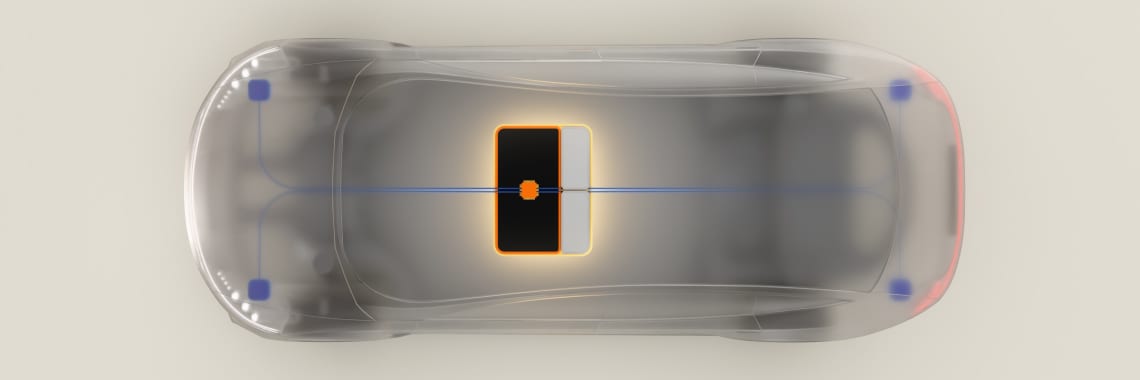
ソフトウェア・デファインド・ビークル (SDV) の真の差別化を達成するには、車両のコンテキスト、すなわち車両のリアルタイムの全体像を構築することが起点となります。そのためには、サイロ化した各部を統合し、ドメイン内で分離されているデータや機能を車両全体にわたってアクセスできる実用的なものにする必要があります。
今日の車両のアーキテクチャは、依然として大部分がサイロ化し、インフォテイメント、自動運転、車両コア機能が別々に管理されて、それぞれに独自のハードウェアやソフトウェア・スタックが備わっています。こういった断片化は、価値あるデータや機能が各ドメインおよびゾーン内での使用に限定されるため、イノベーションの制約となります。それにより、複雑さやコストが増し、新しい機能の統合には時間がかかります。
NXPのS32N7スーパーインテグレーション・プロセッサは、これらの障壁を打破するように設計されています。S32N7は、全ドメインのソフトウェアとデータを集約して、統合された車両コンテキストを創出します。これにより、OEMは、データや機能を可視化し、組み合わせ、オーケストレーションすることで、AIの新たな可能性を引き出せるようになります。このようなアーキテクチャの移行は、複雑さやコストを抑えるだけでなく、イノベーションを加速させ、自動車メーカーによる差別化された次世代のインテリジェント・ビークルの実現を後押しします。
よりスマートで迅速な構築。NXPのテクノロジを活用して、SDVの開発および生産への道を切り拓きましょう。
車両コア:それが現代の自動車の要となる理由
SDVへの移行の中心にあるのは、インテリジェントな車両コア、つまりセントラル・コンピューティング・プラットフォームです。これにより、ボディ、モーション、シャーシ制御、ゲートウェイから、車載ネットワーキング、エネルギー分配、さらには先進運転者支援システム (ADAS) 機能に至るまで、車両のすべての戦略的機能が管理されます。
乗員にサービスを提供するインフォテイメント・システムや道路交通に重点を置く自動運転ユニットとは異なり、車両コアは自動車の動作に特化されています。車両コアは、ECUが分散されている従来のアーキテクチャから脱却して、車両全体の機能を統合し、ドメイン間にまたがるデータ・アクセスを可能にします。このような統合された車両コンテキストを構築することで、真のイノベーションの実現が可能になります。このアプローチは、新機能を追加できる柔軟性をもたらすとともに、高度なAIのトレーニングや推論のために核心的な車両データに直接アクセスできるようにします。さらには、スタンドアロンのECUでは不可能な、AIアクセラレータや高性能アプリケーション・プロセッシングといった最先端のコンピューティング機能の統合をサポートします。
これは最大で15年間連続稼働するように設計されており、安定性、安全性、ライフサイクル管理が確保されます。このコアは、真の認識機能を備えたコネクテッド・カーの基礎を形成します。このレベルのインテリジェンスを実現するには、断片化されたアーキテクチャでは提供できない莫大なコンピューティング能力が必要です。統合された車両コアのみが、AIを活用したイノベーションにおける要求の厳しいデータと性能のニーズを満たすことができます。
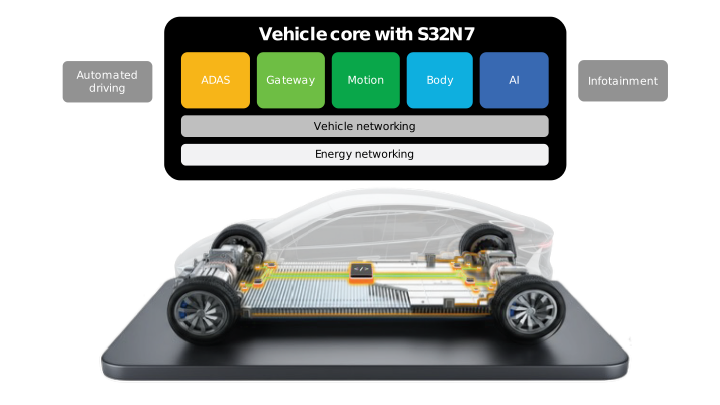 この構成図は、コンピューティング、データ、ソフトウェア制御を集約した車両コアがSDVのイノベーションにとっていかに不可欠であるかの詳細を示しています。
インテリジェントな車両コアのために構築されたNXP S32N7
S32N7は、リアルタイム制御、低消費電力での動作、および高速ブートを安全に実行することで、必要な機能とイノベーションを両立させると同時に、ハードウェアでの強制統合などの高度な機能を備えています。S32N7は、最大8つの従来のドメインをセキュアなソフトウェア・デファインド・パーティション内に統合することで、シームレスなデータ共有とドメイン間のオーケストレーションを可能にする真の車両コンテキストを創出します。これにより、OEMはデータおよびAIを活用した新しい機能や差別化されたサービスを導入して、実績のあるテクノロジを次世代の自動車イノベーションにつなげることができます。
これらのハードウェア・パーティションは、コストの削減、設計の簡素化、データの集約による豊かな洞察をもたらす、モジュール型アーキテクチャを実現します。超低消費電力 (ULP) モードと高速ブート機能を備えた常時オンのインテリジェンスにより、車両がアイドリング状態であっても、不可欠なシステムをアクティブに維持し、AIを活用したサービスにいつでも対応することができます。
S32N7は、最初からデータおよびAIに対応するように設計されており、内蔵のアクセラレータとPCIe (Peripheral Component Interconnect Express) 拡張を統合しているため、ワークロードの変化に対応できるだけでなく、将来性も確保されています。S32N7の幅広いバリエーションにより、OEMはシステムを一度設計すれば、車種、分野、市場をまたいでシームレスに展開できるため、再設計の必要がなくなります。
機能を価値へと転換する
自動車メーカーにとってのS32N7シリーズの利点には、ECU統合による総所有コストの削減、常時オンのAIによる革新的な車両コア機能の実現、差別化や新たな収益機会をサポートするライフサイクル全体での制御などがあります。S32N7は、コンピューティングを集約し、エッジにAIを導入することで、車両コアを戦略的な資産へと変容させ、これにより現在の効率を向上させると同時に、将来の新しいビジネス・モデルの可能性を解き放ちます。
スーパーインテグレーション
S32N7のスーパーインテグレーション能力は、車両のアーキテクチャを根本的に変革します。ボディ制御、ゲートウェイ、シャーシ、モーションを別個のECUに依存することでコストや配線、複雑さを増大させる代わりに、単一のチップで最大8つのECUを統合できます。この集約により、更新とアップグレードが合理化され、パッチ、バグ修正、新機能の提供をすべて1か所で行えるようになるため、代償の大きいリコールのリスクを軽減し、ダウンタイムを最小限に抑えることができます。
また、OEMは、システムを再設計する必要なしに、将来の機能に向けたスケーラブルな余地を確保することができます。機能を1つのSoCに集約したS32N7は、より充実したリアルタイムの車両データ・ストリームを通して、AIを活用したインサイトや高度なサービスの提供を可能にします。たとえば、車両のデータを記録して、実際の走行を想定した新しいAIモデルのトレーニングに使用できるようになります。
常時オンのインテリジェンス
車両は一般的に、ほとんどの時間は駐車または充電されていますが、それでも重要な機能やサービスは動作している必要があります。S32N7は、常時オンのパワー・モードにより、バッテリーを消耗させたり、他のより大きなサブシステムのSoCの寿命に影響を及ぼしたりすることなく、予知保全アルゴリズムを一晩中動作させることができます。エアコンやバッテリーのプレコンディショニング、スマート・アクセスなど、パーソナライズされたAI機能は、ドライバーが近づくと瞬時に有効化されます。さらに、高速ブートによりこれらの機能が確実かつ瞬時に有効になるため、プレミアムなユーザー・エクスペリエンスが得られます。
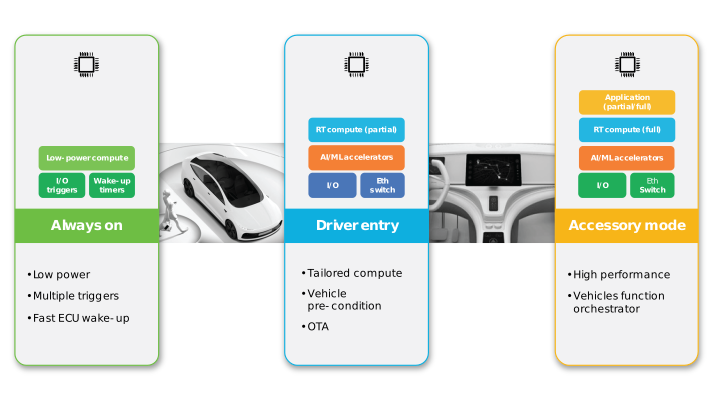 この図は、車両の駐車時であっても、S32N7の常時オン機能とエッジAIプロセッシングによって、車両が瞬時に起動し、AI機能がすばやく有効になる仕組みを示しています。
一度の構築で、再設計の必要なく拡張可能
OEMは、システムを一度構築したら、いくつもの派生モデルを作成することなく、セグメント全体に拡張できるようにすることを目指しています。S32N7は、セグメントおよび市場をまたいだ単一の統合プラットフォームを提供します。互換性のある広範なSoCのバリエーションにより、共通のアーキテクチャを維持しながら適切なパフォーマンス・レベルを選択でき、それらすべてを、開発と検証を合理化する統合されたソフトウェア環境で管理できます。モジュール型設計により、自動車メーカーは中核となるコンピューティングを再設計することなく機能を追加または削除できるため、スケーラブルな車両コンテキストを構築し、市場やモデルをまたいで迅速な差別化を図れるようになります。
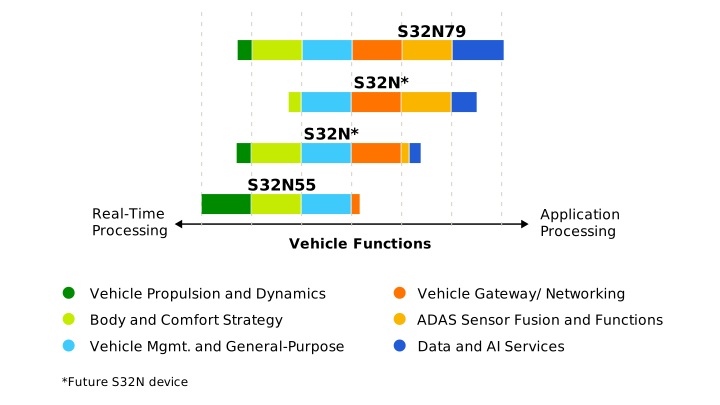 拡張性に優れたS32Nファミリは、安全に関する処理、リアルタイム処理、アプリケーション処理の機能を備え、SDVのセントラル・コンピューティング・アプリケーションに対応します。
設計段階でデータとAIに対応
ワークロードの急速な進化に伴い、ハードウェアも足並みを揃える必要があります。S32N7により、車両にPCIeのコネクティビティが備わり、高度な制御機能のための外部AIアクセラレータに接続できるようになる一方で、内蔵アクセラレータが安全性や快適性に関わる機能のためのリアルタイム推論を処理します。
アプリケーション・コアとアクセラレータは、データを抽出、再フォーマット、結合、および記録することができ、既存の機能の再利用や新しいアーキテクチャへの適応を可能にします。このデータは、車両コア・アプリケーション専用の新しいAIモデルをトレーニングするために、保存して後処理を行うことができます。
PCIeの拡張は、車両コアのAI機能を強化するだけでなく、インフォテイメントや運転支援サブシステムの性能を向上させることもできます。S32N7は、将来を見据えたアーキテクチャにより、ハードウェアの完全なリフレッシュを必要とせずに、最新のアルゴリズムや進化するワークロードをサポートします。
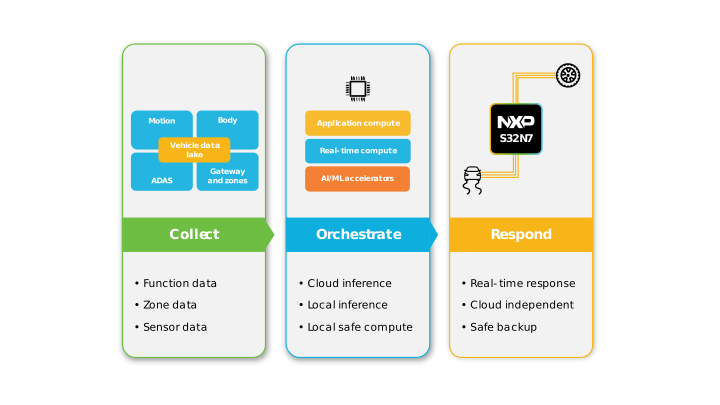 上の図は、新しいS32N7シリーズに備わる高度なデータ収集、リアルタイム・プロセッシング、およびオーケストレーションの詳細を示しています。
今後の道のり
AIによってSDVの機能が強化される中で、スケーラビリティ、セキュリティ、インテリジェンスを効果的に組み合わせたプラットフォームがOEMの成功の鍵を握ります。車両のデジタル化は、この変革の中核を成すものです。NXPのS32N7はまさにそれを実現し、AIを活用した次の時代のモビリティの基盤となります。