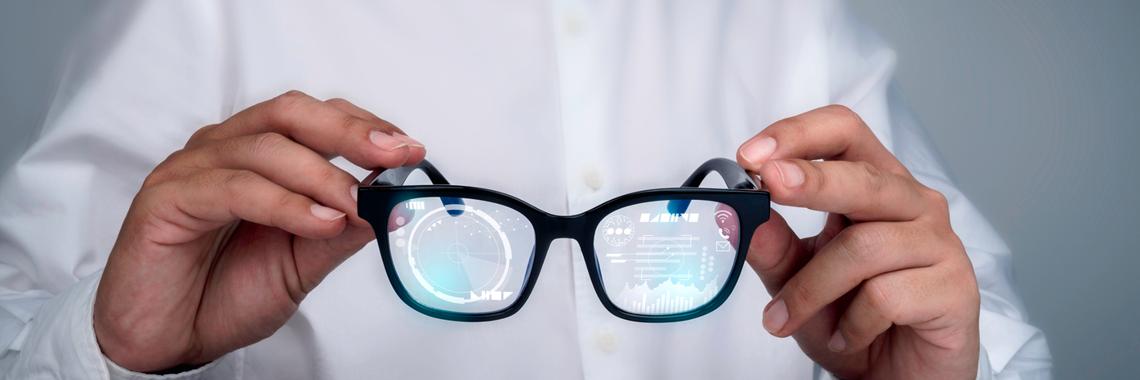
AIやスマート・ハードウェアの継続的な進化により、AIスマート・グラスはもはやSFではなく、現実の一部となっています。最新のAIグラスは、豊富な機能とともに、さまざまな形状で提供されています。
ウェアラブル・テクノロジへのAIの統合は爆発的に拡大し、ポータブル・アシスタントから健康管理に至るまで、多様なアプリケーション・シナリオに対応しています。操作しやすさも、AIグラスの重要な要素となっています。ユーザーは、携帯電話を物理的に操作しなくても、テレプロンプタ、物体認識、リアルタイム翻訳、ナビゲーション、ヘルス・モニタリングなどの機能に簡単にアクセスできます。AIグラスは、デジタル世界と現実世界をシームレスに統合し、新たな市場の原動力となるさまざまなユース・ケースを提供しています。
電力の課題:性能とリーク
AIグラスの主な課題はバッテリー寿命です。デバイス自体の重量とサイズという制限があるため、AIグラスに搭載されるバッテリーの容量は、通常はわずか150~300 mAhです。多様なアプリケーション・シナリオをサポートするために、関連する高性能アプリケーション・プロセッサの大部分には、6 nm以下の高度なプロセス・ノードが使用されます。このプロセスで製造されるチップは優れた動的実行性能を備えていますが、深刻なリークの課題も伴います。プロセス・ノードが縮小するにつれ、シリコンのリーク電流は桁違いに増加する可能性があります。大きなリーク電流と限られたバッテリー容量という矛盾は、製品の実使用時間を大幅に短縮し、ユーザー・エクスペリエンスに悪影響を及ぼします。
チップ・アーキテクトは、有効電力とリークの両方を念頭に置いて、さまざまなプロセス・ノードの利点を検討することを余儀なくされています。エネルギー使用量を最小限に抑えるという課題を受け、多くの設計にデュアル・チップ・アーキテクチャが活用されています。このアーキテクチャでは、高度なプロセス・ノードを使用して有効消費電力を低く抑えながら、より確立されたプロセス・ノードでスタンバイ時のリークを大幅に削減できます。
電力問題の解決:2つの主流アーキテクチャ
現在、市場に出回っているAIグラス・ソリューションでは、以下の2つの主流アーキテクチャが主に使用されています。
「アプリケーション・プロセッサ + コプロセッサ」アーキテクチャ
「アプリケーション・プロセッサ + コプロセッサ」ソリューションは、ユーザーに豊富な機能体験をもたらし、バッテリー寿命を最大化することができます。AIグラスに使用されるアプリケーション・プロセッサは高度なプロセスをベースにし、高性能に重点を置いたプロセッサで、通常は高解像度カメラ、ビデオ・エンコーディング、高性能ニューラル・ネットワーク処理、Wi-Fi/Bluetoothコネクティビティをサポートしています。一方、コプロセッサは成熟したプロセス・テクノロジを採用し、動作時および静止時の消費電力を削減するために、より低い周波数に重点を置いています。低い有効電力とスタンバイ電力を組み合わせることで、音声ウェイクアップ、音声通話、音楽再生のためのマイクロフォン・ビーム・フォーミングやノイズ低減などの常時オン機能を実現しています。
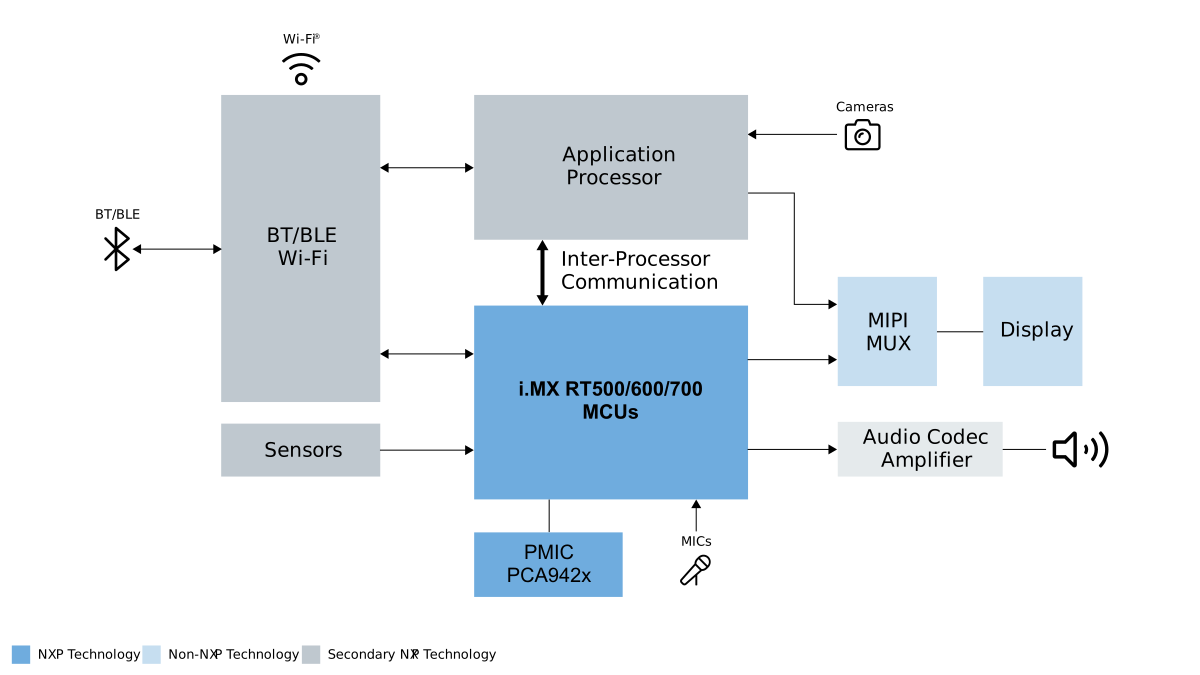 「アプリケーション・プロセッサ + コプロセッサ」アーキテクチャのブロック図 ブロック図
をダウンロードすると、拡大図がご覧いただけます。
「MCU単体」アーキテクチャ
「MCU単体」のソリューションなら、バッテリー寿命の長い、より軽量かつ小型のフレームを使用した設計への扉が開かれ、OEMはユーザーの快適性を確保しやすくなります。重量はAIグラスのユーザー・エクスペリエンスにおいて最も重要な要素の1つですが、MCU単体アーキテクチャは部品数とバッテリー・サイズの削減に役立ち、AIグラスの重量を30 g以内に抑えることができます。
MCU単体アーキテクチャの戦略では、マイクロコントローラの機能と能力がより重視されます。「アプリケーション・プロセッサ + コプロセッサ」設計の多くの機能を、MCU設計内に組み込むことが想定されています。そのためNPU、DSP、高性能CPUコアなどの機能を含めることが不可欠です。
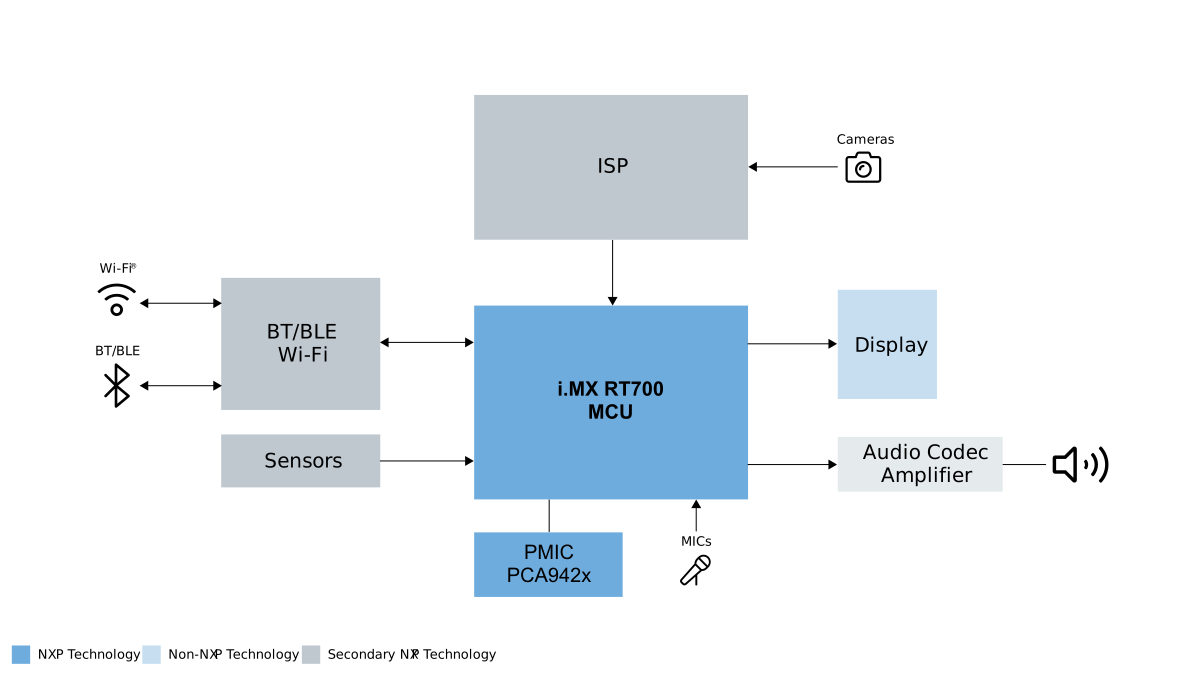 MCU単体アーキテクチャのブロック図 ブロック図
をダウンロードすると、拡大図がご覧いただけます。
NXPのソリューション:理想的なコプロセッサとして機能するi.MX RTファミリ
i.MX RT500、i.MX RT600、i.MX RT700は、NXPのi.MX RT低消費電力製品ファミリに属する3つのチップです。これらのチップはコプロセッサとして、現在、世界中の多くのお客様の最新AIアイウェア設計で広く使用されています。i.MX RT500 Fusion F1 DSPは、スマート・グラスの音声ウェイクアップ、音楽再生、通話の各機能をサポートできます。i.MX RT600は、主にスマート・グラスのオーディオ・コプロセッサとして使用され、ほとんどのノイズ低減、ビームフォーミング、およびウェイクアップ・アルゴリズムをサポートしています。i.MX RT700は、デュアルDSP (HiFi4/HiFi1) アーキテクチャを採用し、複数の複雑な機能のアルゴリズム処理をサポートしながら、コンピューティング・サブシステムとセンス・サブシステム間の電力/クロック・ドメインの分離により、さらなる省電力化を実現しています。
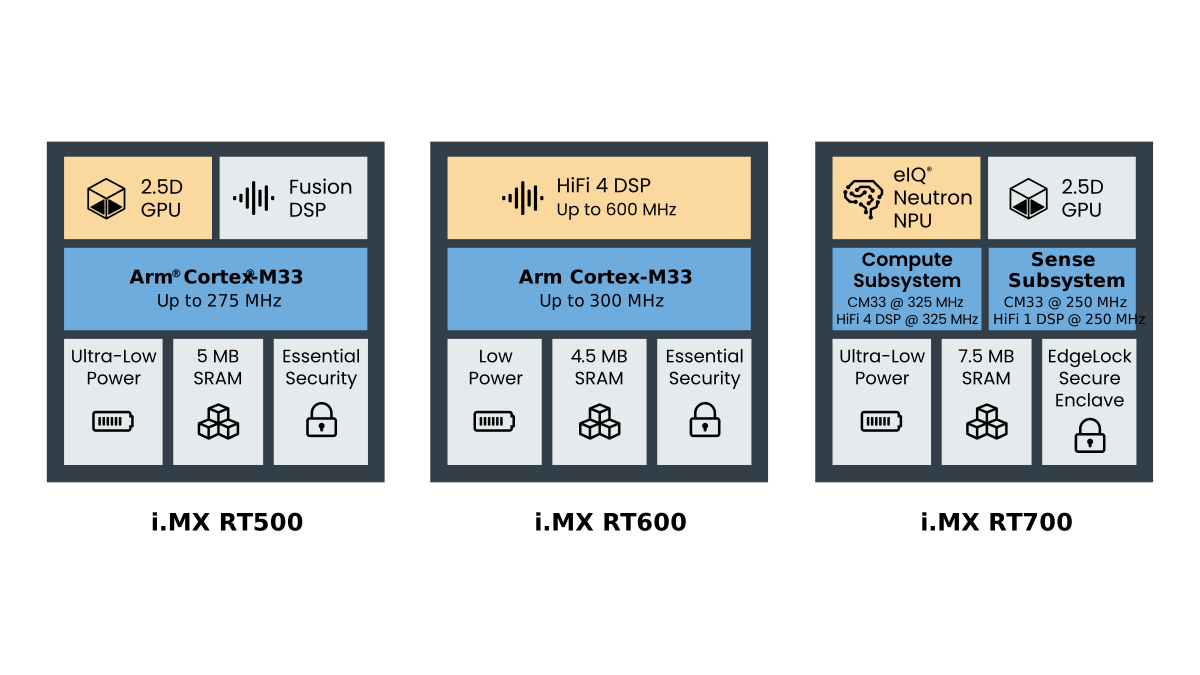 AIアイウェアに最適なNXPのi.MX RTファミリ ブロック図
をダウンロードすると、拡大図がご覧いただけます。
i.MX RT700がバッテリー寿命を最大化する仕組み
i.MX RT700は、AIグラスのコプロセッサとして、さまざまなアプリケーション・シナリオに応じて役割を切り替えるようにパワー・マネージメントおよびクロック・ドメインを柔軟に設定できるため、高性能マルチメディア・データ処理用のAIコンピューティング・ユニットとして使用することも、超低消費電力データ処理用の音声入力センサ・ハブとして使用することもできます。
AIグラスは主に音声制御のみでユーザー・インタラクションを実現しているため、音声ウェイクアップは最もよく使用されるシナリオであり、AIグラスのバッテリー寿命を左右する重要な機能です。主要なユース・ケースでは、コプロセッサは可能な限り低いコア電圧レベルでアクティブ・モードを維持しながらユーザーの音声コマンドを待ち、ノイズが発生する可能性のある環境ではノイズ低減を備えた音声認識モードに迅速に切り替わります。i.MX RT700は、このようなユーザー・シナリオに基づきセンサ・モードで動作するように設定できます。このモードでは、HiFi1 DSP、DMA、MICFIL、SRAM、電源制御 (PMC) などの少数のモジュールのみがアクティブになります。コンピューティング・ドメインがパワーダウン状態になっている間、デジタル・オーディオ・インターフェース (MICFIL) でマイク信号を取得できるほか、マイク信号処理にはDMAが使用され、ノイズ低減およびウェイクアップ・アルゴリズムの実行にはHiFi1が使用されます。
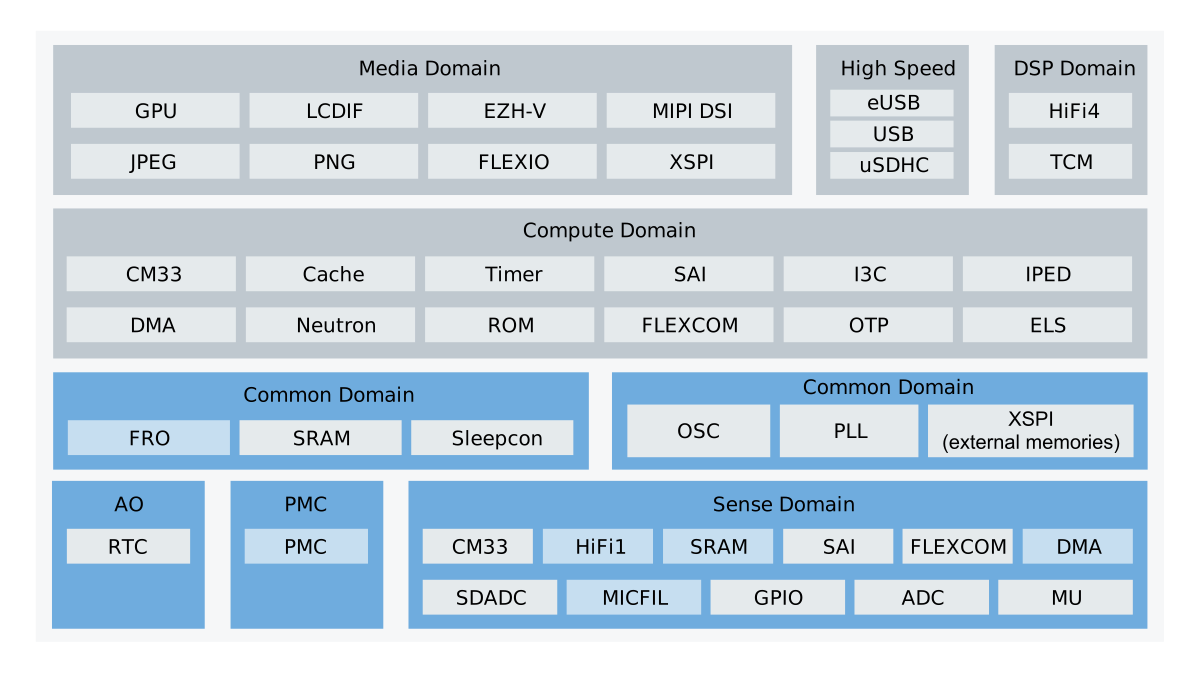 低消費電力テクノロジを活用しながら高度なディスプレイおよびグラフィックス機能を実現する高性能モード ブロック図
をダウンロードすると、拡大図がご覧いただけます。
歪みのないオーディオ・クロック・ソースFRO、マイクロフォン・モジュールFIFO、ハードウェア音声検出(ハードウェアVAD)、DMAウェイクアップなど、RT700に搭載されている他の低消費電力テクノロジも、i.MX RT700音声ウェイクアップ・シーンのシステム消費電力を2 mW未満に抑えることができるため、消費電力を継続的にモニタリングしながら最適化できます。
RT700はMCU単体にも対応
ディスプレイ関連のユーザー・シナリオでは、i.MX RT700を「高性能モード」に設定できます。このモードでは、ベクタ・グラフィックス・アクセラレータ (2.5D GPU)、ディスプレイ・コントローラ (LCDIF)、ディスプレイ・バス (MIPI DSI) が有効になります。高性能モードを有効にしている間、コンピューティング・ドメインでは、MIPI ULPS (Ultra Low Power State) や、PVT (Process Voltage Temperature) チューニング範囲内での動的電圧レギュレーション、その他の低消費電力テクノロジも活用されます。
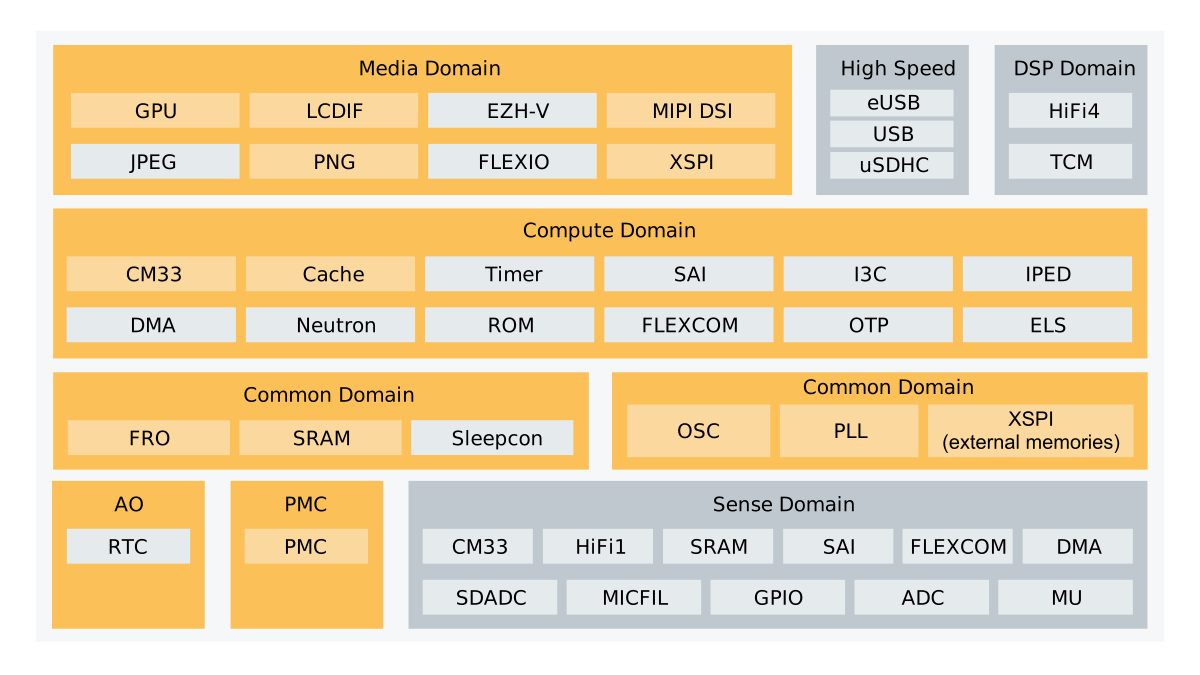 メディア・ドメイン、コンピューティング・ドメイン、センス・ドメインの統合を強調したアーキテクチャの詳細図 ブロック図
をダウンロードすると、拡大図がご覧いただけます。
インテリジェント・ハードウェアと人工知能の統合が進む現在、低消費電力で高性能なチップを適切に選択することが、製品イノベーションの鍵となっています。豊富なテクノロジを集積したi.MX RTシリーズは、AIグラスなどの最先端アプリケーションに適した強固な基盤を提供します。
i.MX RT低消費電力製品ファミリの詳細については、以下の各製品ページを参照してください。